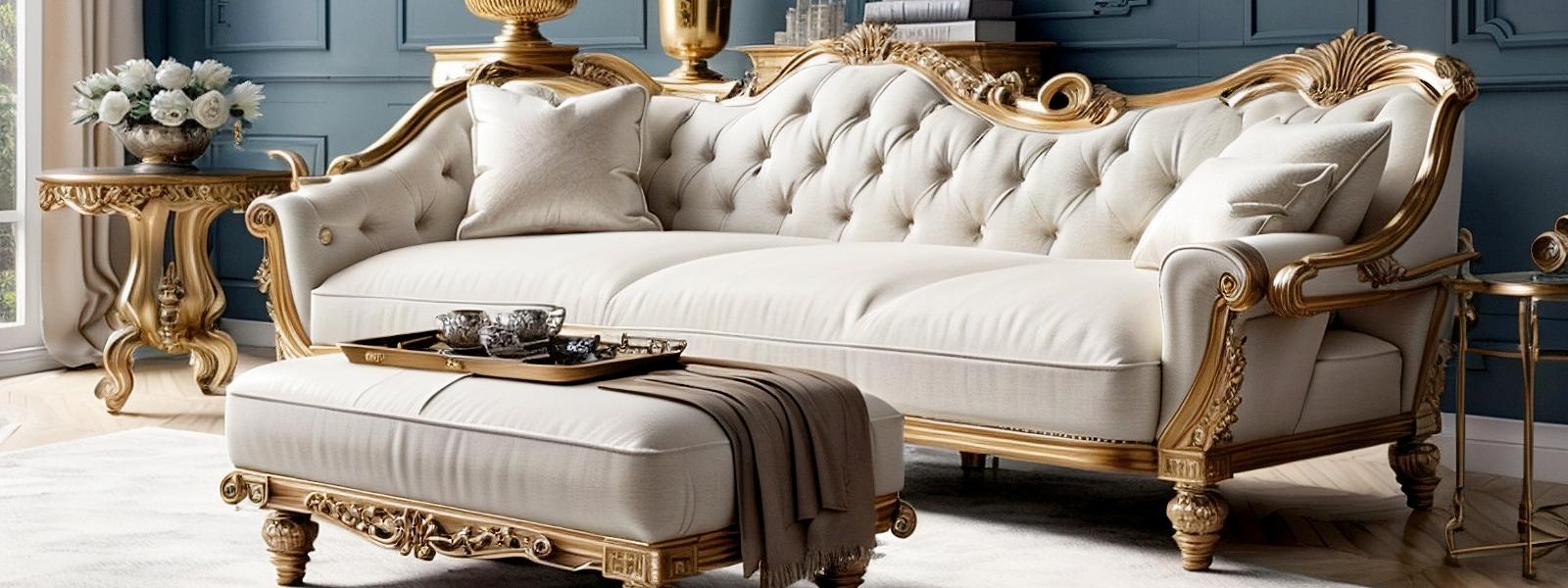
Learn more about furniture construction and design. Glossary of home decorating and furniture terms. Furnishing names explained.
Furniture Insider Glossary
Nest Of Tables: A nest of tables refers to a set of two or more tables that are designed to fit neatly under each other. Each table is usually smaller in size than the one above it, allowing them to be stacked or nested together when not in use. This type of furniture is versatile and space-saving, as it can be easily pulled out and used separately when needed, and then stacked back together to save space.
Empire: The term Empire refers to a style that emerged during the early 19th century in France, under the rule of Napoleon Bonaparte. The Empire style is characterized by its grandeur, opulence, and neoclassical influences. The furniture typically features strong symmetrical lines, bold geometric shapes, and rich ornamentation.
Vitruvius: Vitruvius, whose full name was Marcus Vitruvius Pollio, was a Roman architect and engineer who lived during the 1st century BC. He is best known as the author of De Architectura, also known as The Ten Books on Architecture, which is the only surviving architectural treatise from ancient Rome. In this work, Vitruvius covers various aspects of architecture, including the principles of design, building materials, construction techniques, and the roles of architects and engineers.
Camelback: Double curved chairback, shield-shaped. Camelback refers to a specific style of sofa or chair that features a distinctive upward curving backrest in the shape of a camels hump. This design typically originated during the 18th century and was popularized in the Georgian and Chippendale periods.
Diamond Matched Veneer: Diamond Matched Veneer is a term used in furniture to describe the way the veneer on a piece of furniture is cut and arranged to create a specific pattern. In this method, thin slices or sheets of wood veneer are laid out in such a way that the grain pattern on each piece mirrors the grain pattern on the adjacent piece, creating a diamond-shaped pattern. This creates a visually striking and balanced appearance on the furniture surface, with the diamond shapes formed by alternating light and dark colors or grain patterns.
Center Table: Round, oblong, oval, square shaped table finished on all sides, used in the center of a room. It is larger and more prominent than other tables in the room and is intended to be a focal point. Center tables are commonly used in living rooms or sitting areas and are often used to display decor items such as vases, books, or artwork.
Pear Drop Handle: A Pear Drop Handle refers to a type of handle often used on furniture, specifically drawers and cabinets. It is characterized by its shape, which resembles a pear or teardrop, with a wider top and a narrower pointed bottom. The handle generally protrudes from the furniture surface, offering a functional and decorative element.
Commonwealth: In furniture terminology, the term Commonwealth typically refers to a specific style or period of furniture design associated with the Commonwealth of England, which existed during the mid-17th century. Commonwealth furniture often reflects a simpler, more rustic style compared to the elaborate designs of the preceding Stuart era. It is characterized by clean lines, sturdy construction, and minimal ornamentation.
Aster Carving: Aster carvings can be found on chests. Three flowers on a central panel, or a sunflower carving. Aster carving is a term used in the field of furniture to describe a specific type of decorative ornamentation.
Chiffonier: Chiffonier refers to a tall, narrow storage cabinet or chest of drawers. It typically features several drawers stacked vertically and sometimes includes a small mirror or a door compartment. Chiffoniers were popular during the 19th century and were commonly used for storing clothing or other personal items.
Revolving Chair: A revolving chair is a type of chair that is designed with a swivel mechanism, allowing it to rotate 360 degrees. This allows the user to easily turn and face in any direction without having to move the chair itself. Revolving chairs are commonly used in offices, study rooms, and other workspaces for their functionality and convenience.
Sleigh Bed: A sleigh bed is a type of bed that features a distinctive design with a high, scrolled headboard and a slightly lower footboard, resembling the shape of a traditional sleigh. The headboard typically curves outward, resembling the front of a sleigh or a horse-drawn carriage, giving the bed its unique and elegant appearance. The headboard of a sleigh bed is typically the focal point of the design.
Lavabo: The term lavabo refers to a piece of furniture that typically consists of a basin or sink used for washing hands or small items. It is often found in bathrooms, kitchens, or laundry rooms. Washstand.
Bonnet Top: An unbroken pediment or top section of a highboy, or secretary. Bonnet top is a term used to describe a style of furniture, typically found on cabinets, desks, or secretaries. It refers to a distinctive, curved, and often ornate top section that resembles the shape of a bonnet or hat.
Arm Pad: An arm pad is the upholstered part of a chair arm. The furniture term arm pad refers to a cushioned or padded section typically found on the armrests of chairs, sofas, or other seating furniture. The arm pad provides added comfort and support for the arms and elbows while sitting or relaxing on the furniture.
School: The term School Style in the context of furniture refers to a particular design aesthetic or style that became popular during a specific era or period. This term typically represents furniture designs that were commonly found in schools, educational institutions, or classrooms during a specific time. The School Style era or period generally emerged during the late 19th century and continued into the early 20th century.
Copyright 2026 FurnitureInsiderBlog.com, a mobile-friendly website. All rights reserved.